
Quick answer
Cairns Airport (CNS) and Townsville Airport (TSV) are the two primary gateways for reaching the Great Barrier Reef, with Cairns serving the northern reef sections and Townsville accessing the central region. Both airports receive direct domestic flights from Sydney, Melbourne, Brisbane, and other Australian capitals, with flight times ranging from 1.5 to 3 hours. International visitors typically connect through Sydney or Brisbane, then take a 2-3 hour domestic leg to either gateway city before transferring to reef departure points.
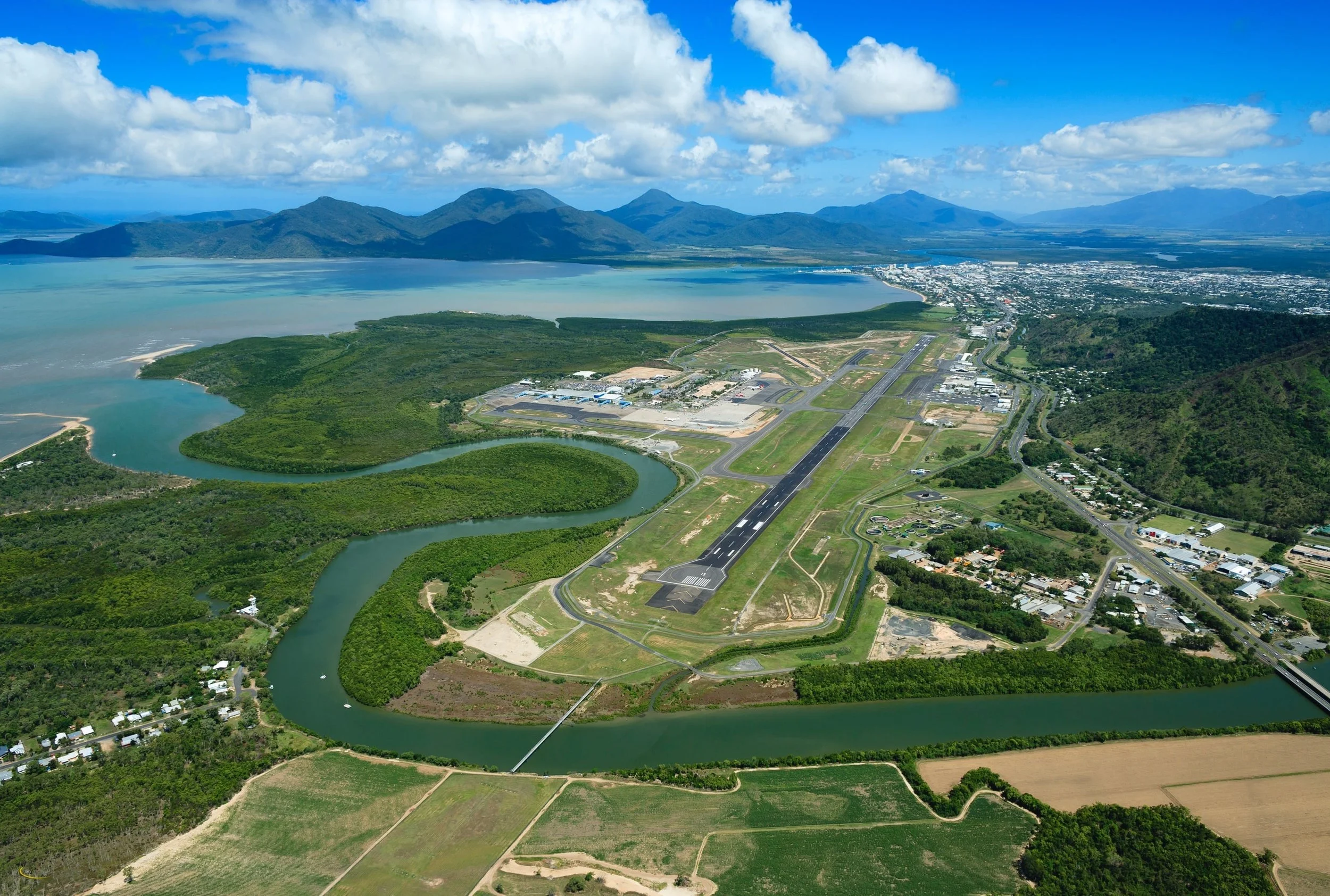
Cairns Airport processes over four million passengers annually, making it Australia's seventh-busiest terminal and the natural entry point for 60 percent of Great Barrier Reef visitors. The airport sits 7 kilometers north of Cairns city center, where the majority of reef tour operators maintain departure wharves along the marina precinct. Direct flights operate daily from Sydney (3 hours), Melbourne (3.5 hours), and Brisbane (2.5 hours), with Qantas, Virgin Australia, and Jetstar maintaining the highest frequencies on these routes. Townsville Airport serves the central reef corridor and offshore island resorts including Magnetic Island and the Palm Island group. The terminal handles approximately 1.8 million passengers per year, with direct connections to Brisbane (90 minutes) and Sydney (2.5 hours). International travelers arriving from North America, Europe, or Asia typically land in Sydney or Brisbane, clear customs, then board a domestic connection—total travel time from Los Angeles to Cairns averages 16-18 hours including the layover. Whichever gateway you choose depends on your reef destination: northern operators departing from Port Douglas and Cairns favor CNS arrivals, while visitors heading to the Whitsundays or Townsville's Magnetic Island benefit from TSV routing. Helicopter tour operators often coordinate pickups directly from Cairns Airport's general aviation terminal, reducing ground transfers to under 15 minutes. The 8 AUD Environmental Management Charge applies once you enter the marine park, regardless of arrival method. Book domestic legs separately from international flights when possible—Australian carriers release seat inventory 11 months ahead, and fares on the Sydney-Cairns corridor fluctuate by 40 percent depending on school holiday periods. Morning departures from southern capitals align with reef tour schedules, allowing same-day embarkation if your inbound flight lands before 10:00.
“Cairns Airport processes over four million passengers annually, making it the natural entry point for 60 percent of Great Barrier Reef visitors.”
How to Fly to Great Barrier Reef: Primary Airports and Access
The Great Barrier Reef is accessed via several regional hubs along the Queensland coast. Travelers typically fly into Cairns, Townsville, or Hamilton Island to connect with local transport services.
Cairns Marlin Marina to Outer Reef
Hamilton Island Marina to Hardy Reef
Townsville Breakwater Terminal to Magnetic Island/Reef
Best Time to Fly to Great Barrier Reef for Visibility
The best arrival window is 08:00–10:00, as best water visibility and lower wind speeds occur in the morning. Visiting during the dry season maximizes these conditions for aerial and marine visibility.
June to October
Moderate crowdsDry, 20°C to 28°C. Stable weather and low rainfall.
This period offers the most consistent visibility and comfortable temperatures.
November to May
High to moderateHumid, 25°C to 32°C. Higher rainfall and potential stingers.
Expect warmer water temperatures and occasional tropical weather patterns.
08:00–10:00
Low—
Arriving during this window ensures optimal lighting and calm wind conditions for visibility.
Verdict: The best time to visit is during the dry season from June to October, arriving between 08:00 and 10:00 to capitalize on calm morning conditions.
Checklist for How to Fly to Great Barrier Reef
Flying to the Great Barrier Reef requires advance preparation for marine park access and helicopter tour logistics.
-
Book your helicopter tour in advance — Operators require confirmation 24–48 hours before departure and seats fill quickly during peak season.
-
Confirm your departure gateway city — Cairns and Port Douglas are the primary helicopter hubs serving reef tour routes.
-
Bring valid photo identification — Operators verify passenger identity against booking names before boarding.
-
Pack reef-safe sunscreen and polarized sunglasses — UV protection is essential and polarized lenses improve water visibility from the air.
-
Wear lightweight, closed-toe shoes — Helicopter embarkation areas often require secure footwear for safety compliance.
-
Carry the 8 AUD Environmental Management Charge — This per-person daily fee supports marine park conservation and may be collected separately from tour costs.
-
Arrive 30 minutes before your scheduled departure — Check-in, safety briefings, and weight distribution planning precede every flight.
Check availability
Frequently asked questions about how to fly to great barrier reef
Everything you need to know about how to fly to great barrier reef